Larry Page, Sergey Brin, Eric Schmidt, and Mark Zuckerberg are relative newcomers when it comes to doing business in Miami. The Adler family has been here for three generations — and each generation found a piece of this city before anyone else recognized its value.
Three completely different bets on Miami. All of them early. All of them right.
The First Generation: Swampland and Vision
The grandfather arrived from New York after World War II. He looked at South Florida and saw what almost nobody else did at the time. Over the following decades, he built more than 6,000 apartment units across Miami-Dade and Broward County — at a time when most of the market was still raw land, uncertain infrastructure, and speculative risk. He bet on density and residential demand before those words were part of Miami’s development conversation.
The Second Generation: Industrial Before It Was Industrial
His son moved again — this time to Airport West. Three hundred and sixty acres near Miami International Airport, developed into industrial parks at a moment when everyone else was chasing Downtown and the beach. Miami International Commerce Center remains one of the most active industrial corridors in South Florida today. The second generation saw the logistics future of a city that would become a gateway to the Americas — and positioned accordingly, decades early.
The Third Generation: Transit-Oriented Before It Was Policy
David Adler moved the family again — this time into transit-oriented development. Ground leases on county-owned land adjacent to Metrorail stations, structured as public-private partnerships designed to survive any interest rate environment.
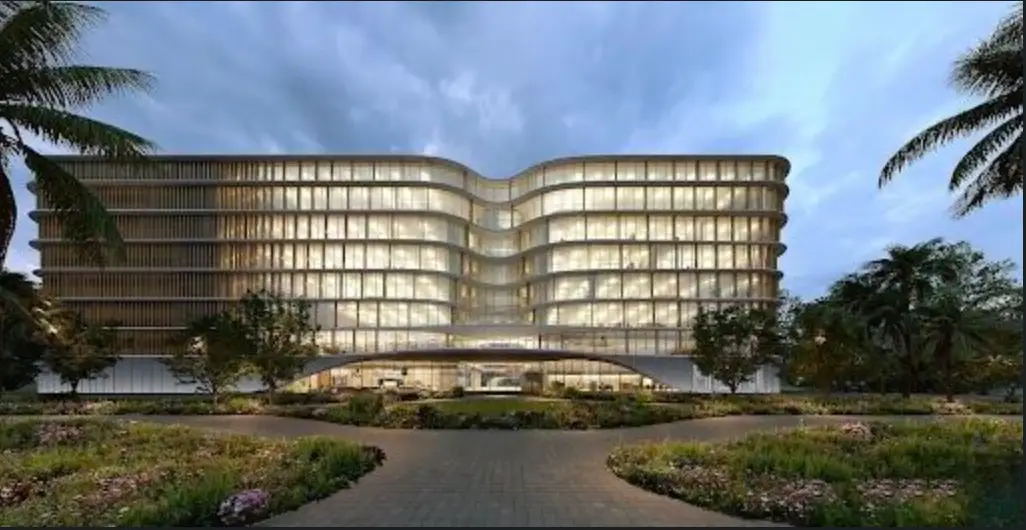
The flagship project: Link at Douglas — a $600 million mixed-use development positioned between Coconut Grove and Coral Gables, on land leased from Miami-Dade County. The project is projected to generate $800 million for the county over the term of the ground lease. It is the kind of deal that makes sense only if you believe in the long-term trajectory of specific neighborhoods — and that you’ve read those neighborhoods correctly.
The Pattern Beneath the Pattern
What I find most useful about builders who have operated in this city for 70 years isn’t the track record — it’s the pattern. Each Adler generation found the part of Miami the market hadn’t fully priced yet. And they kept finding it in the same zip codes.
Coconut Grove. Coral Gables. Transit corridors that the rest of the city is only beginning to take seriously.
Supply is structurally constrained in those neighborhoods for a reason. Zoning, lot sizes, historic preservation, and neighborhood character have kept new supply limited in ways that cannot be easily changed. The people who have been reading this city the longest know exactly why — and they keep returning to the same areas.
For buyers entering Miami today, the lesson from three generations of Adler bets isn’t about any single project. It’s about understanding which parts of this city have durable value — and recognizing that the neighborhoods the smart money has returned to again and again are the same ones where supply will never catch up with the demand that’s already there.